

Exploring the Nature-Based Education Benefits

We all know that learning is a journey. Sometimes, the traditional classroom walls feel too tight. Nature-based education offers a fresh path. It invites us outside, into the open air, where curiosity blooms naturally. This approach helps young people, especially those who find mainstream education challenging, to reconnect with learning in a meaningful way.
Nature is a powerful teacher. It encourages exploration, creativity, and resilience. When we step into the forest or a garden, we tap into a world full of lessons waiting to be discovered. Let’s explore the many benefits of nature-based education and how it can transform learning experiences.
The Many Nature-Based Education Benefits
Nature-based education is more than just outdoor play. It is a carefully designed approach that uses natural settings to support learning and development. Here are some key benefits:
Improved Concentration and Focus
Studies show that children who spend time in nature have better attention spans. The natural environment reduces stress and mental fatigue, making it easier to concentrate.
Enhanced Physical Health
Outdoor learning encourages movement. Running, climbing, and exploring build strength, coordination, and overall fitness.
Boosted Emotional Wellbeing
Nature calms the mind. It lowers anxiety and promotes positive moods. This is especially important for young people who struggle with emotional regulation.
Stronger Social Skills
Group activities in nature foster teamwork and communication. Children learn to cooperate, share, and solve problems together.
Increased Creativity and Problem-Solving
The natural world is full of puzzles and surprises. It invites learners to think critically and creatively.
Connection to the Environment
Spending time outdoors nurtures respect and care for the planet. This connection supports sustainability values.
These benefits are not just theory. They are seen in practice at places like canopy forest school hampshire, where young people thrive in a mobile forest school setting.
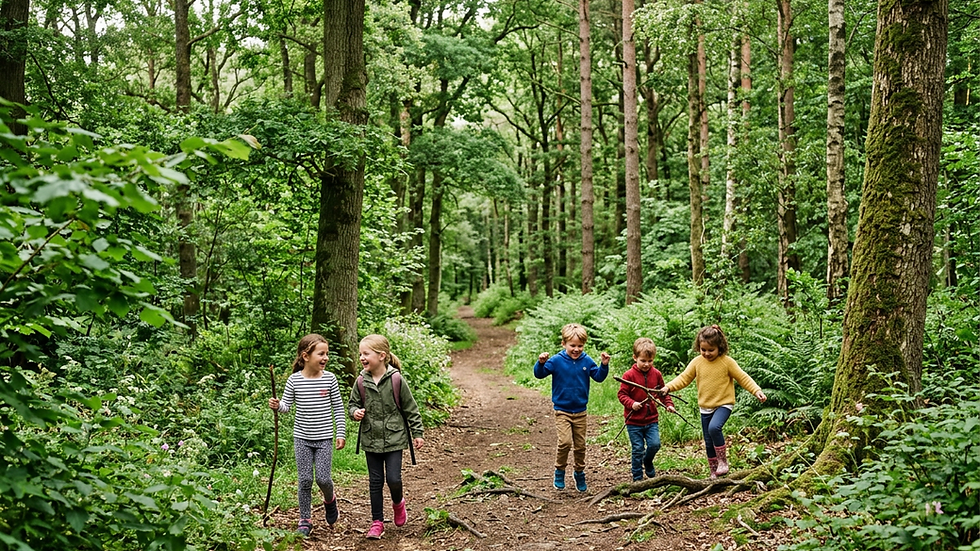
How Nature-Based Education Supports Inclusion and SEN
Inclusion is at the heart of effective education. Nature-based learning offers unique advantages for young people with special educational needs (SEN) or those who find traditional classrooms difficult.
Sensory Engagement
Nature provides rich sensory experiences. The sounds of birds, the texture of leaves, and the smell of earth engage multiple senses. This multisensory input can help children with sensory processing difficulties.
Flexible Learning Pace
Outdoor settings allow learners to move at their own speed. There is no pressure to sit still or follow rigid schedules. This flexibility supports diverse learning styles.
Reduced Anxiety and Behavioural Challenges
The calming effect of nature can reduce stress-related behaviours. It creates a safe space where children feel more relaxed and open to learning.
Hands-On Learning
Practical activities like planting, building, or observing wildlife make learning tangible. This approach benefits those who struggle with abstract concepts.
Building Confidence
Achieving small goals in nature, such as climbing a tree or identifying a plant, boosts self-esteem. This confidence often carries over into other areas of life.
Schools and SENCOs can harness these benefits to create more inclusive environments. Nature-based education offers a powerful tool to engage young people who might otherwise feel left behind.
Practical Ways to Integrate Nature-Based Learning
Bringing nature into education does not require a forest on school grounds. Here are some practical ideas to get started:
Outdoor Classrooms
Use school gardens, parks, or green spaces for lessons. Even a small patch of grass can become a learning hub.
Nature Walks and Exploration
Regular walks encourage observation and curiosity. Use simple activities like leaf identification or bird watching.
Gardening Projects
Growing plants teaches responsibility and science. It also provides sensory stimulation and a sense of achievement.
Creative Arts in Nature
Use natural materials for art projects. Leaves, stones, and twigs can inspire creativity.
Forest School Sessions
Partner with local forest schools or mobile providers. They bring expertise and resources to support outdoor learning.
Mindfulness and Reflection
Encourage quiet moments in nature. This helps develop emotional awareness and calm.
By starting small and building gradually, schools can weave nature into their curriculum. This approach supports both academic goals and wellbeing.
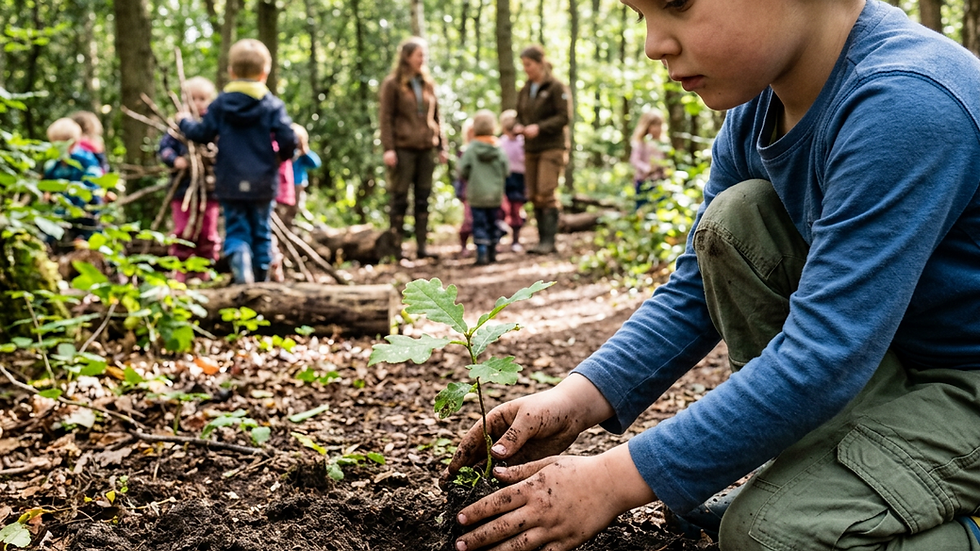
Supporting Sustainability Through Nature-Based Education
Nature-based education naturally aligns with sustainability goals. It teaches young people to value and protect the environment. Here’s how it supports sustainability:
Fostering Environmental Stewardship
Direct experience with nature builds empathy for living things. Children learn why conservation matters.
Promoting Sustainable Practices
Activities like composting, recycling, and growing food introduce practical sustainability skills.
Connecting Curriculum to Real-World Issues
Lessons can include topics like climate change, biodiversity, and resource management.
Encouraging Outdoor Play Over Screen Time
Reducing screen time lowers energy consumption and promotes healthier lifestyles.
Building Community Links
Nature projects often involve local groups, creating a shared commitment to the environment.
By embedding these principles, schools can meet inclusion and sustainability targets simultaneously. This holistic approach benefits learners and the planet.
Embracing the Future of Learning with Nature
Nature-based education is more than a trend. It is a vital step towards a more inclusive, engaging, and sustainable future. We see its power to transform lives, especially for those who struggle in traditional settings.
By embracing this approach, we open doors to new possibilities. We help young people find joy in learning again. We nurture skills that last a lifetime - resilience, creativity, empathy, and curiosity.
If you want to explore how nature-based education can work for your setting, consider connecting with experts like canopy forest school hampshire. They bring the forest to you, making outdoor learning accessible and impactful.
Together, we can create learning environments where every child thrives - surrounded by the beauty and wisdom of nature. Let’s take that step forward, hand in hand with the natural world.


Comments